
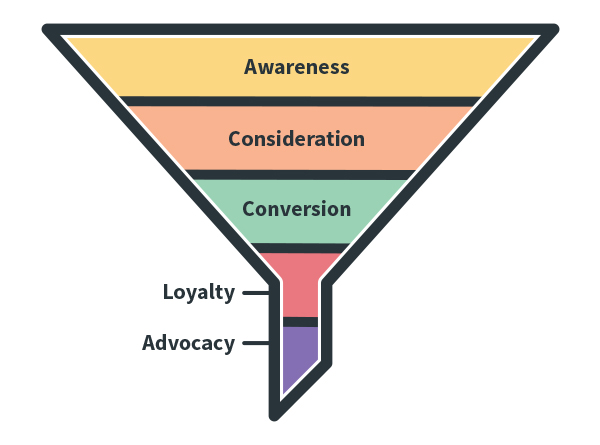
Why is my business not getting online leads?Businesses typically fail to generate online leads due to poor targeting, weak messaging, ineffective landing pages, lack of trust signals, and improper ad strategies. Without aligning marketing efforts with user intent and conversion optimization, even high traffic fails to convert into leads. “Traffic without intent is noise. Leads come from alignment, not just visibility.” “Lead generation is not about reach—it’s about relevance and trust.” Understanding the Real Problem Most people think:“I need more traffic” Reality: You need better conversion systems There’s a big difference. 1. You’re Targeting the Wrong Audience You might be getting clicks… but from the wrong people. Common mistake: Fix: 2. Your Messaging Is Weak (No Pain, No Action) If your content or ads sound like:“We provide digital marketing services” You’ve already lost. Why? Because users care about: Fix: 3. Your Landing Page Is Killing Conversions According to a 2025 study by Unbounce, average landing page conversion rates are around 5–10%, but poorly optimized pages convert below 2%. Common issues: Fix: 4. You Have Traffic but No Trust People don’t buy from strangers. Missing elements: Fix: Add: 5. Your Ads Strategy Is Wrong Running ads ≠ getting leads Many businesses: According to Google Ads documentation (2025): Campaigns without conversion tracking perform significantly worse in optimization. Fix: 6. You Don’t Understand User Intent This is the BIGGEST problem. There are 3 types: If your content doesn’t match intent: No leads Example: User searches: “hire marketing agency” But you show: “what is digital marketing” Mismatch = zero leads 7. You Don’t Have a Funnel Most beginners: No system. Fix: Create a simple funnel: Real Insight (From Experience) When I started analyzing campaigns, I noticed: 80% of businesses don’t have a funnel 70% don’t track conversions That’s not a traffic problem.That’s a strategy problem. How Advertopros Solves This At Advertopros, the focus isn’t just traffic. It’s: That’s how leads are generated—not guessed. Future Trend (2026 Insight) According to Statista, digital ad spending is expected to cross $870 billion by 2027. More competition = smarter strategies needed Common Myths (Let’s Break Them) Truth: Strategy > Tools FAQs 1. Why am I getting clicks but no leads? Clicks without leads usually mean poor targeting or weak landing pages. If users aren’t aligned with your offer or don’t trust your website, they won’t convert despite clicking. 2. How can I improve lead generation online? Focus on high-intent keywords, optimize landing pages, add trust signals, and use conversion tracking. A structured funnel improves results significantly. 3. Do Google Ads guarantee leads? No. Ads bring traffic, but leads depend on targeting, messaging, and landing page optimization. 4. What is a good conversion rate? Typically, 5–10% is average. Below 2% indicates poor optimization. 5. Why is my website not converting? Possible reasons include poor design, unclear CTA, lack of trust, or irrelevant traffic. 6. Is SEO better than ads for leads? Both work differently. SEO is long-term; ads are immediate. Best results come from combining both. 7. How important is user intent? Extremely important. Matching content with intent directly impacts conversions. 8. What is the fastest way to get leads? Paid ads with optimized landing pages and high-intent targeting. 9. Can small businesses generate leads online? Yes, with proper targeting, budget strategy, and conversion-focused approach. 10. What is the biggest mistake in digital marketing? Focusing on traffic instead of conversions. Practical Conclusion If your business is not getting online leads, don’t blame the platform. Fix: Start small. Improve step by step. In Short Fix strategy, not just traffic About the Author This article is written by a digital marketing practitioner behind Advertopros, focused on helping businesses generate real leads—not just traffic. With hands-on experience in performance marketing, ad strategy, and conversion systems, the goal is simple: make marketing practical, not theoretical.
